
johnandjenncollection.com is built for people who like practical steps, not vague motivation. This article looks at why sport and fitness matter, when they might not feel “worth it”, and how sleep testing at home can fit into a healthier, more consistent routine.
Is sport and fitness actually “worth it” for active Australians?
Yes, sport and fitness are worth it because they improve quality of life well beyond appearance or PBs. They support stronger muscles and bones, better mood, sharper focus, and more resilient heart health.
For Australians balancing work, family, and training, the biggest payoff is often daily function. They climb stairs more easily, feel less sore doing chores, and recover faster after long days.
What benefits matter most if someone is not trying to become an athlete?
A home sleep study brisbane can provide valuable insights into sleep patterns and help identify issues that may affect daily wellbeing. The most meaningful benefits are consistency, mobility, and better energy, not elite performance. A few weekly sessions can reduce injury risk, support healthier body composition, and keep joints moving well.
For many, sport also provides community. Local footy, netball, parkrun, surf clubs, and group classes add structure and connection that make healthy habits stick.
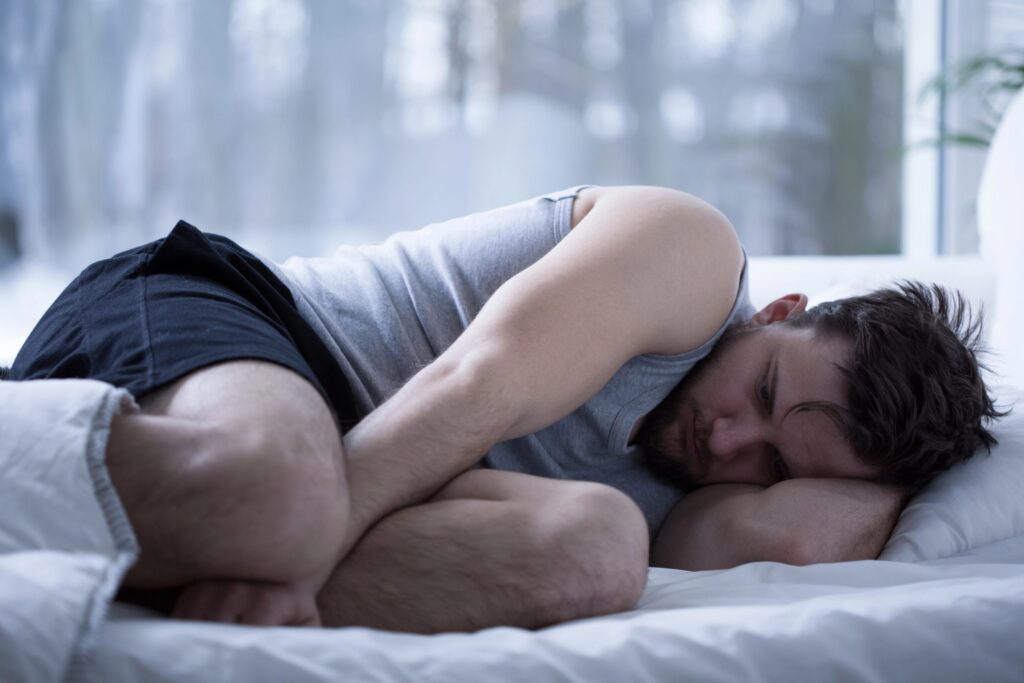
Why do some people train regularly but still feel tired and unfit?
They often have a mismatch between training load and recovery, especially sleep. If they are doing “enough” exercise but still waking unrefreshed, their body may not be adapting as expected.
That is where a home sleep study Brisbane can become relevant. It can help identify sleep issues that quietly blunt recovery, motivation, and training progress.
How does sleep affect fitness results in real terms?
Sleep directly influences muscle repair, reaction time, appetite regulation, and mood. When sleep is poor, training can feel harder at the same pace, and soreness can linger longer.
In practical terms, someone may start skipping sessions, relying on caffeine, or feeling unusually irritable. If this pattern persists, a home sleep study Brisbane may help explain what is happening overnight.
What signs suggest sleep might be holding back training progress?
Common signs include loud snoring, waking with a dry mouth, morning headaches, or feeling sleepy during the day. Others include waking often, restless sleep, or struggling to concentrate at work.
If they are training consistently and nutrition is reasonable, but results stall for months, it is worth considering sleep quality. Many active adults only investigate after an injury or burnout, yet a home sleep study Brisbane can be a simpler first step.
What is a home sleep study and why do people choose it?
A home sleep study is an at-home test that monitors breathing and key sleep-related metrics overnight. People often choose it because it is more comfortable than sleeping in a clinic and better reflects a typical night.
For busy Brisbane locals, it can also be more convenient around training and work. If a clinician recommends it, a home sleep study Brisbane option may suit those who want answers without disrupting routine.
How can a home sleep study relate to sports and fitness goals?
It can connect the dots between effort and outcomes. If someone is doing the sessions but not recovering, the issue may not be willpower or programming.
By clarifying whether sleep disordered breathing or another issue is present, a home sleep study Brisbane can guide the next steps. That can mean changes to sleep habits, medical management, or adjustments to training load while recovery improves.
Who should consider a home sleep study in Brisbane?
Anyone experiencing persistent snoring, observed pauses in breathing, or excessive daytime sleepiness should consider discussing their symptoms with a GP. Active people can still experience sleep concerns, even if they appear physically fit. Learning more about sleep health assessment Australia can help individuals understand the importance of identifying potential sleep issues early.
Shift workers, new parents, and those under high stress can be especially vulnerable to poor sleep patterns. If symptoms line up, a home sleep study Brisbane can provide useful evidence for a targeted plan rather than guesswork.
Can people keep training while addressing sleep concerns?
Usually yes, but they should prioritise sensible intensity and recovery until they know what is going on. The aim is to avoid digging a deeper fatigue hole.
Many do best with reduced high intensity sessions, more easy aerobic work, and extra rest days short term. If they are arranging a home sleep study Brisbane, it can also help to track sleep, energy, and training for a couple of weeks so patterns are clear.
What practical fitness approach works best while focusing on better sleep?
A simple and sustainable approach is often the most effective because it reduces stress and improves consistency. For many active Australians, two to four sessions per week of balanced training can provide a practical foundation for long-term progress. Following sustainable fitness plans Australia can help people create routines that fit their lifestyle and remain achievable over time.
A solid baseline might include full body strength training, low impact cardio, and daily mobility. When sleep improves, training can progress again. If sleep does not improve, a home sleep study Brisbane can help move from “trying everything” to knowing what to fix.
What else should they check before assuming sleep is the main issue?
They should rule out the basics first: not eating enough for their training, poor hydration, too much alcohol, and excessive weekly intensity. Recovery can also be limited by stress, long commutes, or inconsistent bedtimes.
If those variables are reasonably managed and fatigue persists, sleep becomes a higher priority. In that situation, discussing symptoms with a clinician and considering a home sleep study Brisbane can be a practical next move.
How can active Australians improve sleep hygiene without overcomplicating it?
They should keep it simple: consistent wake time, a cool dark room, and less scrolling before bed. Caffeine cut offs and earlier meal timing can also help.
Training timing matters too. Some sleep better after morning sessions, while others need a few hours between evening training and bed. If good habits do not help and symptoms persist, a home sleep study Brisbane can offer clarity.
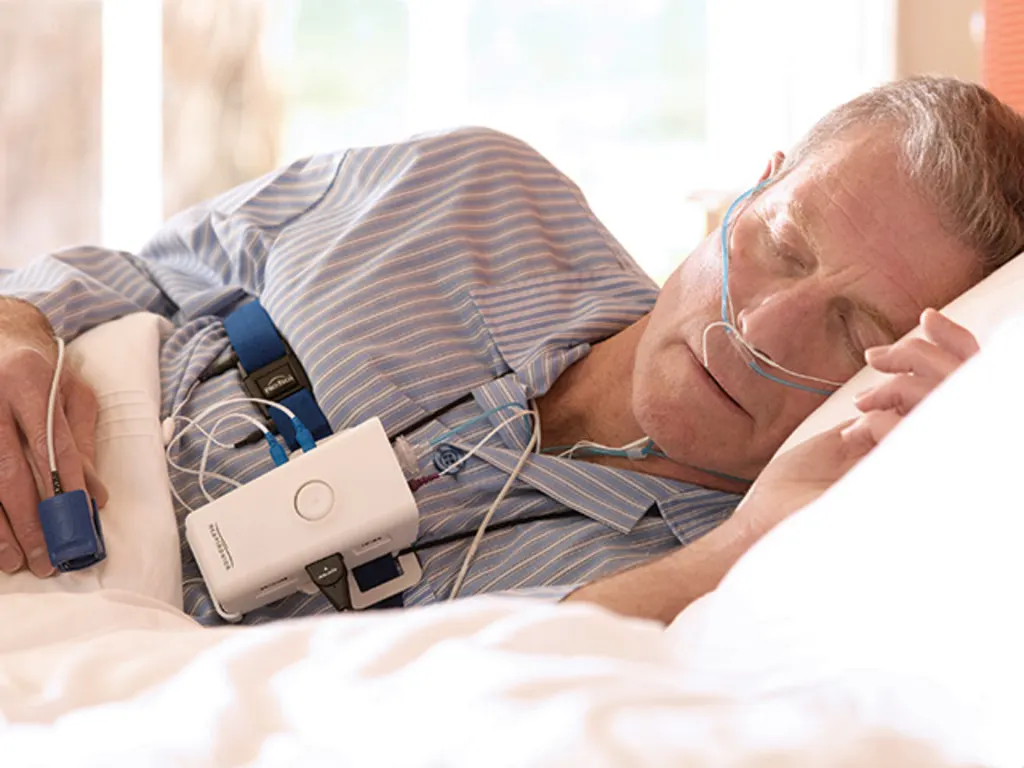
Are sports and fitness still worth it if someone needs to sort out sleep first?
Yes, they are still worth it, because movement supports physical and mental health even during a sleep reset. The key is matching training to their current recovery capacity.
Instead of constantly pushing for higher intensity, they can approach fitness as a long-term process and focus on consistent, repeatable sessions. Recovery plays an important role in progress, and following sleep and fitness recovery tips can help support better energy levels and training habits. If they suspect an underlying sleep concern, arranging a home sleep study Brisbane may help identify issues that could be affecting performance and overall wellbeing.
What is the simplest takeaway for readers of johnandjenncollection.com?
Sports and fitness are worth looking into because they build a healthier, more capable life for active Australians. If effort is high but energy is low, sleep should be treated as part of training, and a home sleep study Brisbane may be the missing piece worth discussing with a healthcare professional.
