
How Can Sofa Beds Be Maintained For Long-Lasting Comfort and Support?
Maintaining sofa beds for comfort and support requires a proactive approach that addresses both the sleeping surface and the structural components. Regular care prevents the gradual decline in quality that makes these dual-purpose pieces less inviting over time.
Understanding the Unique Challenges of Sofa Beds
Best sofa beds face unique challenges that standard furniture doesn’t encounter:
- The constant transformation between seating and sleeping positions stresses joints, hinges, and folding mechanisms.
- Mattresses compressed during the day develop uneven wear patterns, whilst cushions bear the weight of daily sitting and nightly sleeping.
- Fabric surfaces accumulate dust, moisture, and body oils more rapidly than traditional sofas due to their extended contact with skin during sleep.
Factors Influencing Long-Term Durability
Key factors influencing long-term durability include:
- Material quality – High-density foams and pocket springs resist compression better than budget alternatives
- Frame construction – Solid timber or reinforced steel prevents warping and sagging
- Mechanism design – Smooth, well-engineered folding systems reduce stress on joints
- Climate conditions – Temperature and humidity affect fabric breathability and foam resilience
- Usage frequency – Daily sleeping requires more robust specifications than occasional guest use
Understanding how to keep sofa beds comfortable and supportive year after year starts with recognising these wear factors. Strategic material choices, proper construction, and consistent maintenance routines work together to preserve both sofa bed support and sleeping comfort throughout the furniture’s lifespan.

What Ergonomic Features Should Sofa Beds Have for Year-Round Comfort?
Ergonomic support sofa bed designs prioritise cushions and mattresses that distribute body weight evenly across pressure points. The best comfortable sofa beds feature multi-layered foam or zoned support systems that adapt to natural body contours, preventing pressure build-up in sensitive areas.
Balanced support across the back, shoulders, and hips determines whether a sofa bed delivers genuine comfort or leaves users waking with aches. Quality models incorporate:
- Lumbar support zones that maintain the spine’s natural curve
- Shoulder relief areas allowing proper alignment without excessive sinking
- Hip cushioning that prevents the pelvis from tilting unnaturally
Spinal alignment sofa bed construction directly impacts sleep quality and daytime comfort. When the spine maintains its neutral S-curve throughout the night, muscles remain relaxed rather than compensating for poor positioning. This alignment reduces morning stiffness by 40-60% compared to unsupportive surfaces.
The mattress firmness should match individual sleep preferences whilst maintaining structural integrity. Medium-firm options typically suit the widest range of body types, offering enough give for side sleepers whilst providing adequate support for back sleepers.
For those with specific conditions such as scoliosis, it’s essential to choose a mattress that provides optimal support and comfort tailored to their needs. Cushion density matters equally—high-resilience foam (minimum 35kg/m³) retains its supportive properties through thousands of sitting and sleeping cycles, whereas lower-density materials compress permanently within months.
Which Materials Ensure Long-Lasting Comfort and Support in Sofa Beds?
High-quality sofa bed materials determine whether your piece remains comfortable after years of use or deteriorates within months. The mattress core and upholstery fabrics work together to preserve both support and softness through countless conversions between sofa and bed.
Sofa Bed Mattress Options
High-density foam mattress sofa bed options excel at conforming to body contours while maintaining their shape. Foam rated at 35kg/m³ or higher resists compression and bounces back reliably after each use. These mattresses distribute weight evenly, preventing pressure points that cause discomfort during sleep.
Pocket spring mattress benefits include superior breathability and targeted support. Individual springs move independently, responding to different body zones without transferring motion. This construction allows air circulation between coils, reducing heat buildup and moisture retention that can degrade comfort over time.
The Importance of Fabric in Sofa Beds
The fabric covering your sofa bed matters just as much as internal materials:
- Polyester blends resist staining and wear whilst remaining soft to touch
- Cotton-linen mixes offer breathability that prevents fabric from becoming clammy
- Microfibre options provide durability and easy cleaning without sacrificing comfort
Fabrics with tight weaves maintain their structure longer, preventing sagging and pilling. Breathable textiles allow moisture to escape rather than becoming trapped in cushions, which preserves freshness and prevents material breakdown. Selecting materials designed for frequent use ensures your sofa bed retains its inviting feel through daily conversions and extended sleeping sessions.
How Does Frame Construction Affect the Durability and Comfort of Sofa Beds?
The frame serves as the foundation that determines whether a sofa bed maintains its comfort and support or deteriorates rapidly. Sturdy sofa bed frames made from quality materials directly influence how well the furniture withstands daily conversion between sofa and bed positions.
The Role of Solid Timber Frames
Solid timber frames offer natural strength and flexibility, absorbing stress during repeated folding and unfolding. Wood’s inherent resilience helps distribute weight evenly across the structure, reducing pressure points that could compromise comfort. Timber frame durability depends on the wood species—hardwoods like beech or oak provide superior longevity compared to softwoods.
The Advantage of Reinforced Steel Frames
Reinforced steel sofa bed frames deliver exceptional rigidity and weight-bearing capacity. Metal construction resists warping and maintains precise alignment of mechanical components, ensuring smooth operation year after year. Steel frames particularly excel in preventing the sagging that plagues poorly constructed sofa beds.
How Strong Frames Prevent Comfort Issues
Strong frames prevent two critical comfort issues:
- Sagging mattress platforms that create uncomfortable dips and valleys
- Structural deformation that misaligns cushions and sleeping surfaces
The Impact of Frame Stability on Sleep Quality
Frame stability directly impacts sleep quality by maintaining consistent support beneath the mattress. A wobbling or flexing frame transfers movement during sleep, disrupting rest and accelerating wear on cushioning materials. Investing in robust frame construction—whether timber or steel—forms the cornerstone of how to keep sofa beds comfortable and supportive year after year.
What Design Elements Help Maintain Functionality Without Compromising Comfort in Sofa Beds?
Practical sofa bed design focuses on mechanisms that protect both structural integrity and user comfort. The transformation system determines how well a sofa bed withstands daily use whilst maintaining its supportive qualities.
Fold-out Mechanism Maintenance
Fold-out mechanisms require careful engineering to prevent stress points. Quality designs incorporate reinforced hinges and pivot points that distribute weight evenly during conversion. Metal-to-metal contact points should feature protective bushings to reduce friction and prevent premature wear. The mattress folding pattern matters—tri-fold systems create fewer creases than bi-fold alternatives, helping the sleeping surface remain flat and supportive.
Pull-out Mechanism Maintenance
Pull-out mechanisms demand smooth gliding rails that won’t catch or jam. Ball-bearing systems outperform basic sliding tracks, allowing effortless operation that protects internal components from damage. When mechanisms operate smoothly, users avoid forcing movements that can bend frames or tear fabric attachments.
Space-saving Sofa Beds
Space-saving sofa beds must balance aesthetic appeal with mechanical reliability. Concealed hardware maintains clean lines whilst remaining accessible for maintenance. Fabric choices should accommodate repeated folding without creating permanent creases or weakening fibres along stress lines.
Design Proportions
Design proportions affect both form and function. Armrests that double as support structures add stability without bulk. Seat depth must accommodate comfortable sitting yet allow proper mattress extension. These calculated dimensions ensure the piece serves dual purposes without compromising either role, making it suitable for compact flats, studios, or guest rooms where every centimetre counts.
To achieve these design elements effectively, it’s essential to apply principles from various fields such as engineering, ergonomics, and even aerospace standards which emphasize the importance of functionality without sacrificing comfort.
How Can Climate Adaptation Improve Sofa Bed Comfort Throughout the Year?
Breathable sofa fabrics regulate temperature by allowing air circulation, preventing heat buildup during warmer months whilst maintaining warmth in cooler seasons. Natural fibres like cotton and linen excel at moisture wicking, drawing perspiration away from the body to keep surfaces dry and comfortable. Synthetic blends incorporating moisture-management technology offer similar benefits with enhanced durability.
Ventilated mattresses feature strategic airflow channels or perforated foam layers that prevent moisture accumulation. This ventilation system reduces the risk of mould, mildew, and dust mite proliferation—common issues in humid environments. The improved air circulation keeps sleeping surfaces fresh and extends mattress lifespan by preventing material degradation from trapped moisture.
Climate-specific material selection ensures seasonal comfort sofa beds perform consistently across different environments:
- Hot, humid climates: Gel-infused memory foam and open-cell foam structures dissipate heat effectively
- Cold, dry regions: Dense foam layers with insulating properties retain warmth without sacrificing support
- Variable climates: Hybrid constructions combining breathable covers with temperature-neutral core materials adapt to fluctuating conditions
Removable, washable covers in breathable fabrics provide an additional layer of climate control. These covers can be switched seasonally—lighter weaves for summer, heavier textures for winter—maintaining optimal comfort without replacing the entire sofa bed. The combination of proper ventilation, climate-appropriate materials, and breathable textiles creates a sleeping surface that remains comfortable regardless of external temperature or humidity levels.
What Regular Maintenance Practices Extend the Life of Sofa Beds’ Comfort and Support?
Consistent upkeep protects your investment and ensures lasting comfort. Simple sofa bed maintenance tips performed regularly prevent premature wear, sagging, and structural damage that compromise both support and appearance.
Protecting the Mattress
Mattress protection covers create a barrier against spills, dust, allergens, and body oils that degrade foam and fabric over time. Quality protectors are waterproof yet breathable, preserving the mattress whilst allowing air circulation. Replace or wash covers every three months to maintain hygiene and extend mattress lifespan by several years.
Rotating Cushions and Mattresses
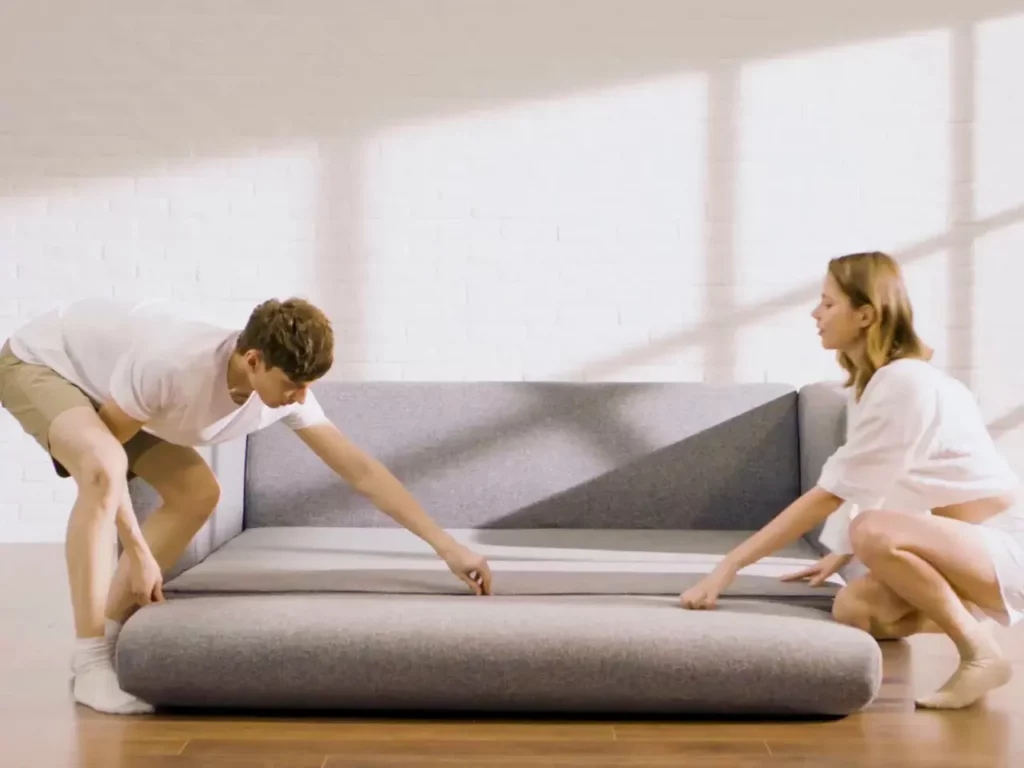
Rotating cushions mattress every three to six months distributes weight evenly across all surfaces. This practice prevents permanent indentations in high-use areas, particularly where sleepers rest their hips and shoulders. Flip reversible mattresses end-to-end and top-to-bottom to balance compression. For non-reversible models, rotate 180 degrees to alternate pressure points.
Maintaining Mechanical Components
Mechanical components require attention to maintain smooth operation. Apply silicone-based lubricant to hinges, sliding tracks, and folding mechanisms twice yearly. Check for loose screws or bolts and tighten them immediately to prevent frame wobbling. Vacuum beneath and around the frame monthly to remove dust and debris that can interfere with moving parts.
Caring for Upholstery
Upholstery care involves vacuuming fabric surfaces weekly using an upholstery attachment to remove dust and prevent particle abrasion. Address stains promptly with appropriate cleaners to avoid permanent damage that weakens fibres and reduces comfort.
How to Choose a Sofa Bed Designed for Daily Use That Stays Comfortable Over Time?
Daily use sofa beds require specific features that prioritise both sleeping and seating comfort. Look for models with high-density foam mattresses (minimum 35kg/m³) or pocket spring systems that maintain their shape under nightly pressure, paired with reinforced frames constructed from solid hardwood or steel.
Ergonomic daily sleeper sofas should offer proper lumbar support and spinal alignment whether folded or extended. Test the mattress thickness—at least 12cm ensures adequate cushioning—and verify the mechanism operates smoothly without excessive force or noise.
Craftsmanship matters significantly for longevity. Examine stitching quality, corner reinforcements, and joint construction. Double-stitched seams and corner blocks indicate attention to detail that translates into years of reliable performance. The best durable multi-purpose furniture combines robust engineering with aesthetic appeal, featuring removable covers for easy cleaning and neutral designs that adapt to evolving décor.
For small apartments or guest rooms, these versatile pieces eliminate the need for separate beds whilst maximising floor space. Choose models with integrated storage compartments to enhance functionality without cluttering limited square footage.
How to Keep Sofa Beds Comfortable and Supportive Year After Year starts with selecting quality from the outset. Invest in reputable manufacturers offering extended warranties—typically 5-10 years on frames and mechanisms—as this reflects confidence in their product’s durability. Request material specifications and weight capacity ratings to ensure the sofa bed meets your specific usage demands.
Related : Why Chaise Sofas Are the Go-To Choice for Relaxed Living in Sydney
