
What should Australians consider first when choosing a sports and fitness option?
They should start with their goal, their weekly schedule, and any injuries or health conditions. In Australia, heat, travel time, and outdoor access also matter, because they change how consistently someone can train.
They will get the best results when the option is realistic to repeat every week, not just exciting for the first fortnight.
Which option suits beginners who want the simplest path to consistency?
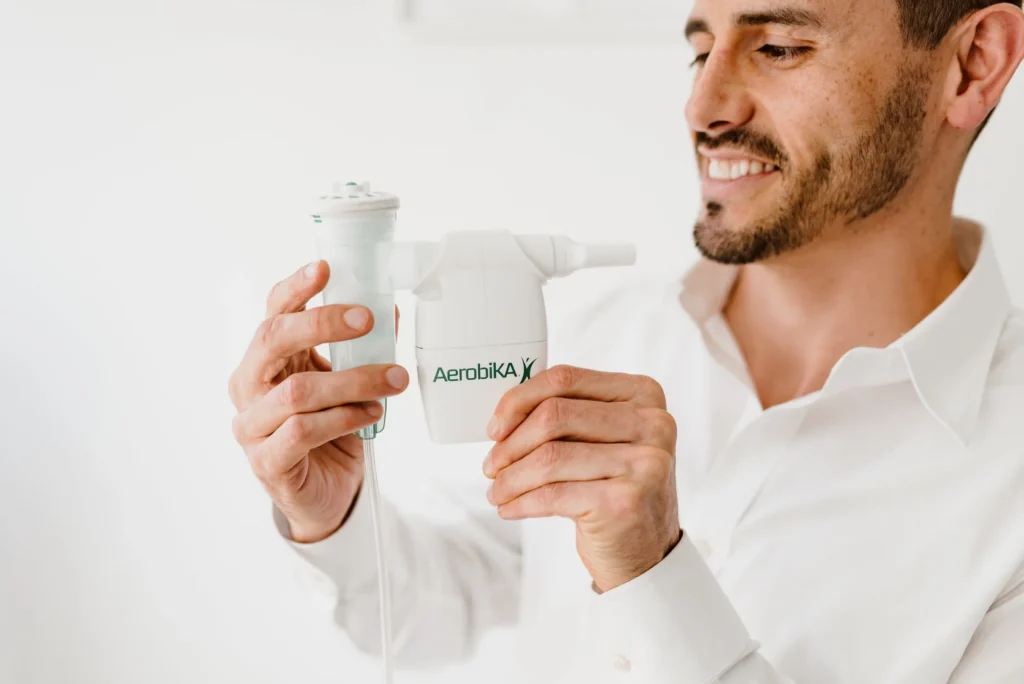
Using an aerobika with manometer is often easiest to incorporate into a daily routine because it requires minimal equipment and provides feedback on breathing technique. Many people find they can gradually build consistency by following their healthcare provider’s instructions and increasing use as recommended, without rushing the process.
In many Australian suburbs, local ovals, coastal paths, and council facilities make it easy to start small and build momentum.
How does gym training compare with team sport for overall fitness?
Gym training offers precise control over strength, mobility, and progression, which is useful when someone wants predictable improvements. Team sport adds variety and motivation, often improving agility, sprint fitness, and coordination without feeling like “training”.
For many active Australians, a mix works best: two gym sessions weekly plus one sport session for enjoyment and conditioning.
Is running enough, or should they add other training styles?
Running builds cardio fitness efficiently, but on its own it can leave gaps in strength, power, and injury resilience. Adding two short strength sessions weekly often improves running economy and reduces common issues like sore knees, tight calves, and cranky hips.
Australian runners also need to plan for heat, sun exposure, and hydration, particularly in summer training blocks.
What do functional training and HIIT offer that traditional workouts do not?
Functional training and HIIT can deliver full body conditioning in less time, using circuits, intervals, and multi-joint movements. They are popular with Australians who want to sweat, structure, and variety without spending hours in a gym.
The trade-off is that intensity can outpace technique, so they should choose sessions where coaching and movement quality stay the priority.
Where do cycling, swimming, and rowing fit for low-impact fitness?
These options provide strong cardiovascular benefits with less joint stress than high-volume running. Swimming is particularly useful in Australian summers, and cycling suits commuting-friendly cities and scenic regional routes.
Rowing, whether on water or an erg, offers a powerful mix of cardio and strength, but it rewards good technique to avoid back flare-ups.
How should they think about breathing, endurance, and performance under fatigue?
Breathing efficiency matters when pace rises, rests shorten, or anxiety and fatigue kick in. Many athletes train legs and lungs but ignore breathing mechanics, even though it can influence pacing, perceived effort, and recovery between bursts.
This is where tools and drills focused on breathing and feedback can complement regular sports and fitness training rather than replacing it.
What is Aerobika with manometer, and what does it actually do?
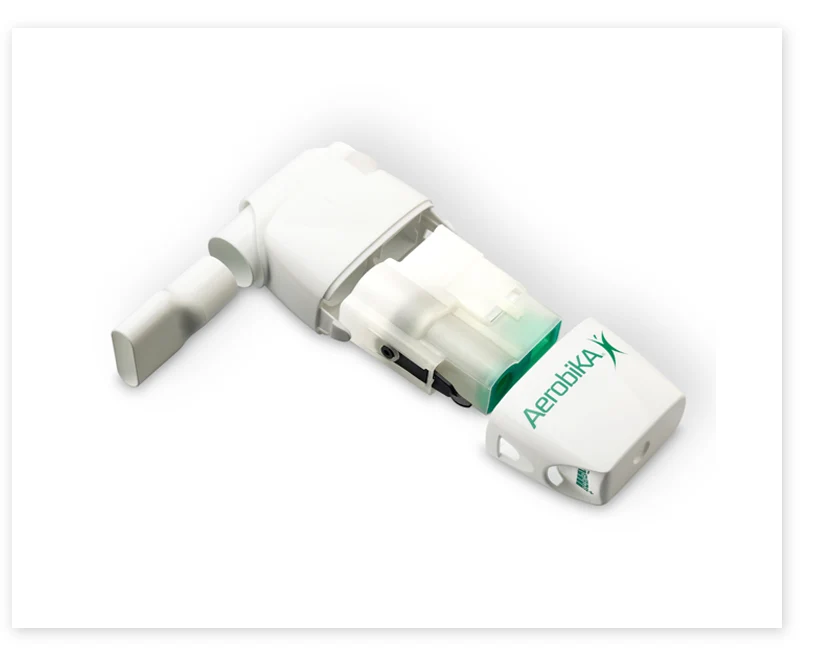
Aerobika with manometer is commonly used as a breathing support tool that provides resistance and feedback through a pressure gauge. In practical terms, it allows users to practise controlled breathing with measurable targets, which may help support breathing routines and consistency when used as directed. Exploring a breathing exercise equipment guide can help users better understand how these tools fit into a structured respiratory care routine.
For Australians balancing training load, it can be a structured add-on, particularly when they want a simple way to track breathing effort.
Who might benefit most from Aerobika with manometer in a sports and fitness routine?
Aerobika with manometer can suit people who want a measurable breathing practice alongside their usual training, including those doing endurance sports, high-intensity intervals, or return-to-fitness plans. It may also appeal to Australians who prefer objective feedback over vague cues like “breathe deeper”.
They should still treat it as a supplement, not a substitute for aerobic conditioning, strength work, or sport-specific sessions.
How can Aerobika with manometer be used without overcomplicating training?
A simple approach is to include it within an existing routine, such as a short session after a warm-up, following training, or during rest days. Aerobika with manometer is generally most effective when practice remains consistent and goals stay realistic, rather than treating it like another demanding workout. Following respiratory therapy routine tips can help users build a manageable habit that supports long-term use.
If they notice dizziness, unusual discomfort, or symptom flare-ups, they should stop and seek medical advice, especially if they have known respiratory conditions.
How does Aerobika with manometer compare with other popular fitness “add-ons”?
Unlike wearables that estimate effort indirectly, Aerobika with manometer focuses on a specific, trainable input: controlled breathing against resistance with visible feedback. Compared with generic breathing drills, it adds structure and measurement, which some people find easier to follow.
Compared with supplements and gadgets promising fast gains, it is narrower in scope, but that can be a strength because it stays focused.
What does a balanced weekly plan look like for active Australians?
A balanced plan usually includes strength, cardio, and a sport or skill session, plus recovery. Many Australians do well with two strength sessions, two cardio sessions, and one longer outdoor session at the weekend, adjusting around work and family.
Aerobika with manometer can fit as a brief breathing practice on two to four days a week, kept separate from high-fatigue sessions if they are already training hard.
What mistakes should they avoid when comparing sports and fitness options?
The most common mistake is picking the most intense option instead of the most sustainable one. Another is changing programmes every week, which makes progress hard to measure and motivation easy to lose.
They should also avoid treating Aerobika with manometer as a replacement for conditioning. It is better used to support training habits, recovery routines, and breathing control.
How can they decide which option to start with this month?
They should choose one main activity they can consistently complete each week, then add one supportive element rather than trying to change everything at once. For example, joining a local footy or netball league and including two short strength sessions can create meaningful improvements over time. Focusing on building a sustainable fitness routine helps people develop habits that are easier to maintain while achieving steady progress.
If they want a structured breathing component with measurable feedback, Aerobika with manometer can be trialled for a few weeks alongside that plan, with consistency as the key metric.
What is the bottom line on Aerobika with manometer for Australians who train?
For active Australians, Aerobika with manometer fits best as a practical add-on for breathing practice with simple measurement. It will not replace the basics, but it can support them when used consistently and sensibly.
The smartest comparison is not “which option is best”, but “which combination can they maintain”, week after week, in real Australian life.
