
johnandjenncollection.com is built for Australians who want reliable, usable information, not trends. Use this sports and fitness FAQ to set expectations, avoid common mistakes, and start with a plan they can stick to.
What should they do before starting any new sport or training plan?
They should choose a realistic goal, a simple weekly schedule, and one way to track progress. The fastest way to stall is trying to change everything at once.
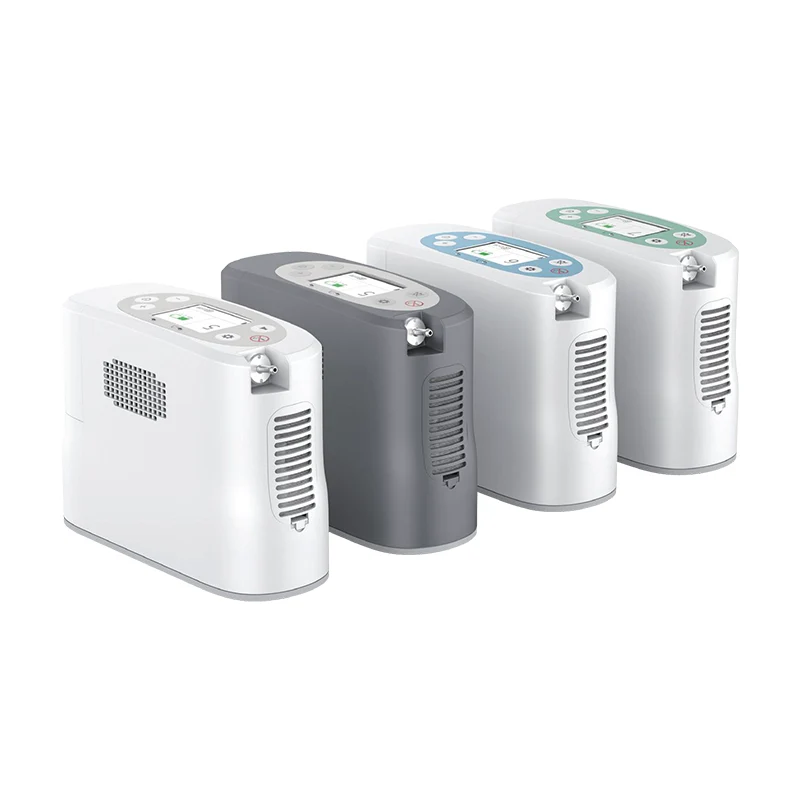
For people using an oxygen concentrator philips, it is generally recommended to follow their healthcare provider’s guidance when increasing physical activity. Starting with 2 to 4 light sessions per week and allowing rest days between harder efforts can be appropriate for some individuals, but anyone with a medical condition, recent illness, or unexplained symptoms should consult their GP or respiratory specialist before increasing their activity level.
How do they choose the right sport or workout style in Australia?
They should pick something they can access easily and repeat week after week. Consistency beats the “perfect” programme.
In Australia, that often means combining one social option with one flexible option, such as local footy or netball plus home strength sessions, or a parkrun plus gym work. This sports and fitness FAQ also suggests matching training to lifestyle: shift work, school drop-offs, and heat can all affect timing.
How often should beginners train each week?
Most beginners do best with 3 sessions a week, then add volume slowly as recovery improves. Training daily is not required to make progress.
A simple approach is two full-body strength sessions plus one cardio session, then optional walking or mobility on other days. This sports and fitness FAQ supports gradual increases: add one variable at a time, either load, time, or frequency, not all three.
What is the safest way to warm up and cool down?
They should begin each session with 5 to 10 minutes of gentle movement before adding sport-specific drills. A proper warm-up should prepare the joints, increase body temperature, and improve movement quality without causing fatigue. Following sports injury prevention tips Australia can help athletes create safer training habits and reduce the chance of avoidable setbacks.
Cooling down can be as simple as 5 minutes of lighter movement and calm breathing. Stretching can help some people feel better, but this sports and fitness FAQ sees it as optional unless they need it for a specific sport or tight area.
Should they do strength training even if their goal is cardio fitness?
Yes, strength training supports running, cycling, swimming, team sport, and general health. It improves tissue tolerance and can reduce the risk of overuse issues.
A basic plan of squats, hinges, pushes, pulls, and loaded carries covers most needs. This sports and fitness FAQ suggests keeping it simple: 2 sessions a week, 4 to 6 movements, and steady progression across months.
How do they avoid injury when they are new or returning?
They should build volume slowly, prioritise technique, and respect pain signals that change how they move. Many injuries come from sudden spikes in load, not from a single “bad rep”.
This sports and fitness FAQ recommends a practical approach by increasing weekly training load gradually, ideally by no more than 10 to 15% when possible. They should also prioritise quality sleep and adequate nutrition, as poor recovery can increase injury risk. Using progressive training plans for athletes can help build performance steadily while supporting long-term consistency.
What should they eat before and after workouts?
They should aim for a meal with carbs and protein within a few hours either side of training. The exact timing matters less than total daily intake.
Before training, a banana, yoghurt, toast, or a small bowl of cereal works for many. After, a meal with protein plus carbs helps recovery, such as eggs on toast or chicken and rice. This sports and fitness FAQ encourages Australians to use familiar foods instead of expensive “fitness” products.
How much water do they need in Australian conditions?
They should drink regularly throughout the day and adjust for heat, humidity, and sweat rate. Thirst is a useful signal, but in hot Australian summers, some people need a more deliberate plan.
For longer sessions, adding electrolytes can help, especially if they cramp often or finish with salt marks on clothing. This sports and fitness FAQ suggests weighing pre and post session occasionally to learn their typical fluid loss.
How do they know if they are training too hard?
They are likely doing too much if performance drops, sleep worsens, motivation crashes, or nagging aches build week to week. Soreness is common early on, but constant fatigue is a red flag.
They should include at least one easier week every 4 to 8 weeks, depending on age, stress, and training history. This sports and fitness FAQ also recommends using a simple effort scale: most sessions should feel moderate, not maximal.
Is walking “enough” exercise for active Australians?
Walking can be enough to improve health, especially for beginners or people rebuilding consistency. It is also one of the best recovery tools.
If their goal is better performance, they may need to add strength training and some higher-intensity work. This sports and fitness FAQ frames walking as a base: it supports fat loss, heart health, and daily energy, and it is easy to scale in Australian suburbs, beaches, and bush tracks.
What gear do they actually need to get started?
They need comfortable shoes suited to their activity, breathable clothing, and a basic plan. Most other gear is optional at the start.
For running, shoes that fit properly matter more than brand. For strength training, a gym membership or a few adjustable dumbbells can be enough. This sports and fitness FAQ recommends delaying gadgets until they have a routine, so they do not confuse buying equipment with doing training.
When should they see a physio, GP, or accredited exercise professional?
They should seek help if pain is sharp, worsening, linked to swelling, causes night pain, or changes how they walk or move. They should also get support if they are unsure how to progress safely.
In Australia, a physio can guide rehab and load management, while an accredited exercise physiologist can help with chronic conditions and structured programmes. This sports and fitness FAQ also notes that early guidance often saves weeks of trial and error.
How should they balance sport, gym, and recovery in a busy week?
They should decide what matters most, then support it with the minimum effective extras. Too many hard sessions compete for the same recovery budget.
A practical split is one to two sport sessions, two strength sessions, and low-intensity walking on other days. This sports and fitness FAQ encourages Australians to keep one full rest day if they are struggling to recover, especially during intense work periods or winter illness season.
What is the deal with “fat burning zones” and heart rate training?
They should treat heart rate zones as a tool, not a rule. Lower intensity can build aerobic capacity, but higher intensity improves fitness efficiently when used wisely.
For most people, a mix works best: easy sessions where conversation is possible, plus one harder session a week once a base is built. This sports and fitness FAQ recommends not chasing perfect numbers on hot days, as Australian heat can push heart rate up at the same pace.
How long does it take to see results from training?
Most people feel better within 2 to 4 weeks, see measurable changes in 6 to 12 weeks, and build major performance changes over months. Progress is rarely linear.
Strength often improves first through better coordination and confidence. Body composition changes depend heavily on food intake and consistency. This sports and fitness FAQ suggests tracking one or two markers only, such as weekly steps and strength lifts, to avoid overwhelm.
What should they know about Oxygen Concentrator Philips in a sports and fitness context?
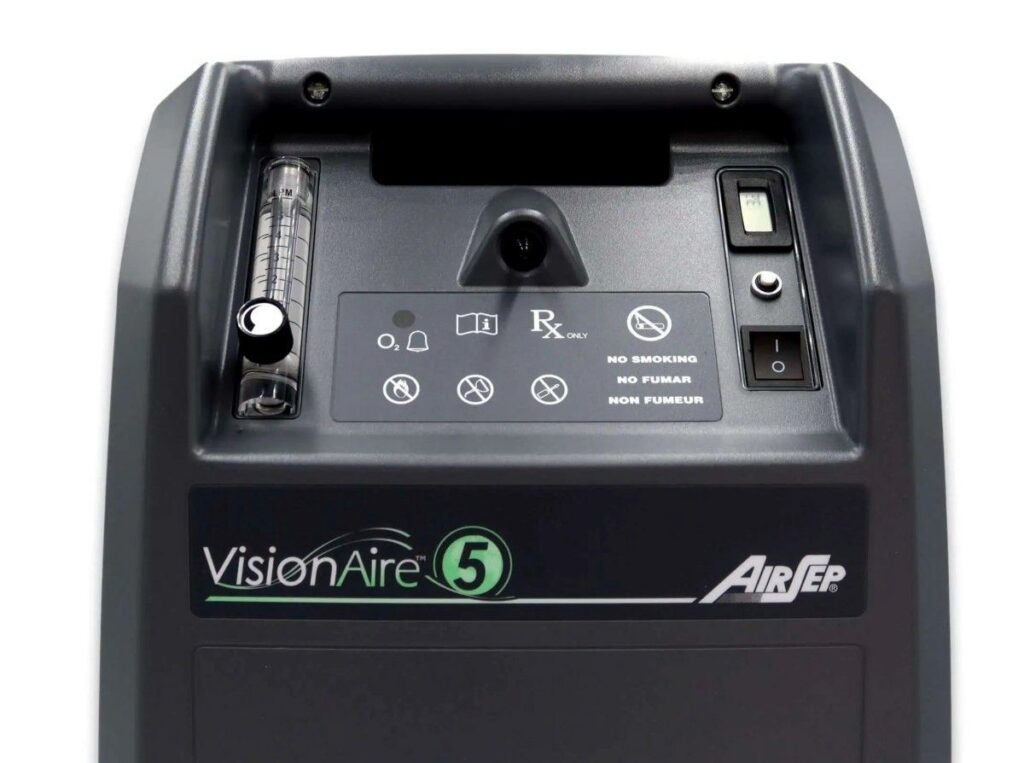
An Oxygen Concentrator Philips device is medical equipment used for prescribed oxygen therapy, not a general fitness booster. People should not use an Oxygen Concentrator Philips unit to “enhance workouts” unless they have clear medical guidance.
In Australia, anyone experiencing breathing symptoms, diagnosed lung conditions, or sleep-related breathing concerns should discuss suitable support options with their GP or respiratory specialist. This sports and fitness FAQ highlights that Oxygen Concentrator Philips products should be used according to professional advice, maintained properly, and selected based on genuine medical needs rather than online trends. Exploring a respiratory support equipment guide Australia can help people better understand how different tools fit into a safe and informed care approach.
What is the simplest beginner plan they can follow from today?
They can start with three sessions weekly: two full-body strength sessions and one cardio session, plus walking on other days. That structure is simple, repeatable, and easy to progress.
A basic week could be: Monday strength, Wednesday cardio, Friday strength, and 20 to 40 minutes walking most days. This sports and fitness FAQ recommends keeping the first month deliberately easy, then adding time or load once sessions feel routine.
What should they remember most before they start?
They should start smaller than they think, keep it consistent, and adjust based on recovery. The best programme is the one they can repeat through Australian workweeks, family commitments, and seasonal changes.
If health concerns are part of the picture, they should treat medical devices with care and follow professional advice, including anything involving an Oxygen Concentrator Philips prescription. This sports and fitness FAQ exists to keep the first steps clear, safe, and sustainable.
